AhirBhairav
A quiet, living guide to Hindustani classical music.
Begin with a sound, a time of day, or a feeling.
Find your way in
Six pathways into the tradition
By Time
Explore the classical day cycle and its raag associations.
By Mood
Browse through emotional and aesthetic qualities.
By Raag
Search and filter the full raag directory.
By Taal
Discover rhythmic cycles and their structures.
From Bollywood to Raag
Use familiar songs as a bridge into classical listening.
Learn the Basics
Core concepts explained for new listeners.
What the site covers
A structured guide to melody and rhythm
Each raag page brings together quick facts, melodic movement, listening references, and approximate Bollywood connections. Each taal page presents matras, vibhag, theka, and learner notes.
Educational note
Raag interpretation can vary by gharana, pedagogy, and performance tradition. The site presents accessible reference material, not a single absolute authority.
Featured raags
A few foundational melodic worlds
These featured entries offer a balanced introduction across time, mood, and tonal color.
Bhairav
भैरव
A grave dawn raag with devotional weight and characteristic komal Re and Dha treatment.
Thaat: Bhairav
Time: Dawn
Bhairavi
भैरवी
The 'queen of raags,' traditionally a dawn raag but performed at any time, with all komal notes available.
Thaat: Bhairavi
Time: Dawn
Lalit
ललित
A luminous dawn raag with both Mas and no Pa, creating an atmosphere of awakening and devotion.
Thaat: Poorvi
Time: Dawn
Todi
तोडी
A serious and meditative late-morning raag with deeply nuanced intonation and a contemplative atmosphere.
Thaat: Todi
Time: Late Morning
Yaman
यमन
A foundational evening raag known for luminous breadth and the use of tivra Ma.
Thaat: Kalyan
Time: Evening
Bageshree
बागेश्री
A late-evening raag often described as intimate, shaded, and romantic.
Thaat: Kafi
Time: Late Evening
Darbari Kanada
दरबारी कानडा
A deep night raag known for gravity, slow expansion, and weighty phrase treatment.
Thaat: Asavari
Time: Night
Featured taals
Rhythmic cycles commonly encountered by learners
A starting set of taals with clear structure, usage notes, and public reference pages.
Dadra
A compact and commonly heard taal in light-classical, semi-classical, and song forms.
Matras: 6
Vibhag: 3 + 3
Keherwa
Also: Kaherva
An 8-matra taal that is one of the most commonly heard rhythmic cycles in light-classical, folk, devotional, and popular music across North India.
Matras: 8
Vibhag: 4 + 4
Jhaptaal
A 10-matra taal known for its asymmetrical gait and strong pedagogical value.
Matras: 10
Vibhag: 2 + 3 + 2 + 3
Ektaal
A 12-matra taal used in vilambit and madhya laya settings, especially in khayal performance.
Matras: 12
Vibhag: 2 + 2 + 2 + 2 + 2 + 2
Teentaal
Also: Tritaal
A foundational 16-matra taal widely used in khayal, instrumental, and teaching contexts.
Matras: 16
Vibhag: 4 + 4 + 4 + 4
Maestros
The voices and hands behind the tradition
Hindustani music has been shaped by remarkable musicians across centuries. These profiles offer a starting point for connecting performances with the artists who shaped them.
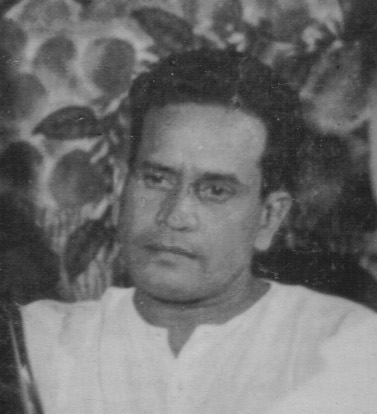
Vocal
Pt. Bhimsen Joshi
One of the greatest khayal vocalists of the twentieth century and a Bharat Ratna awardee, celebrated for his powerful voice, intense devotional expression, and masterful command of the Kirana gharana's signature raags.
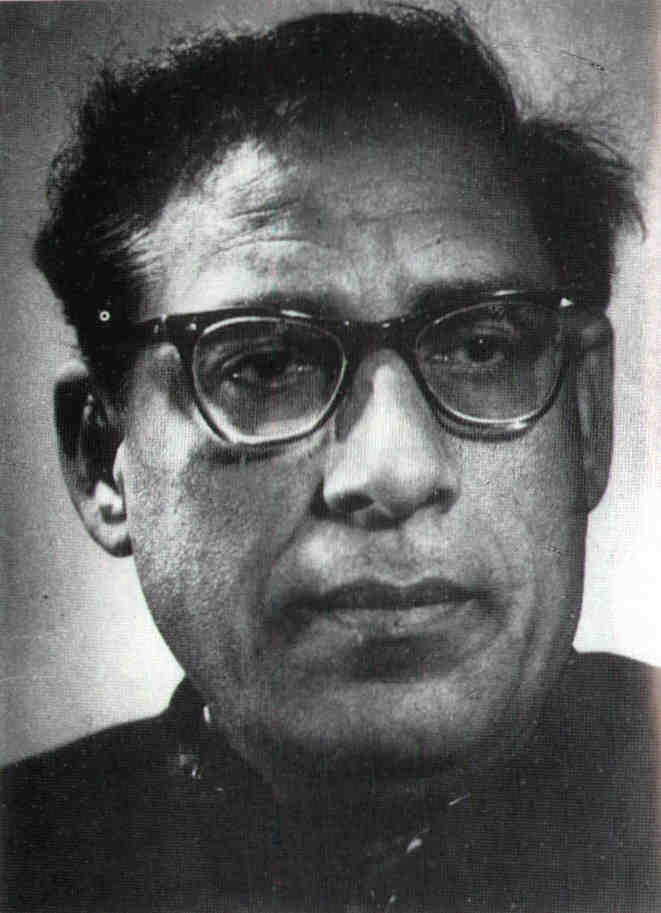
Vocal
Ustad Amir Khan
The pioneer of the merukhand-based vilambit style and founder of the Indore gharana, whose slow, meditative approach to khayal singing created an entirely new aesthetic of contemplative depth in Hindustani vocal music.
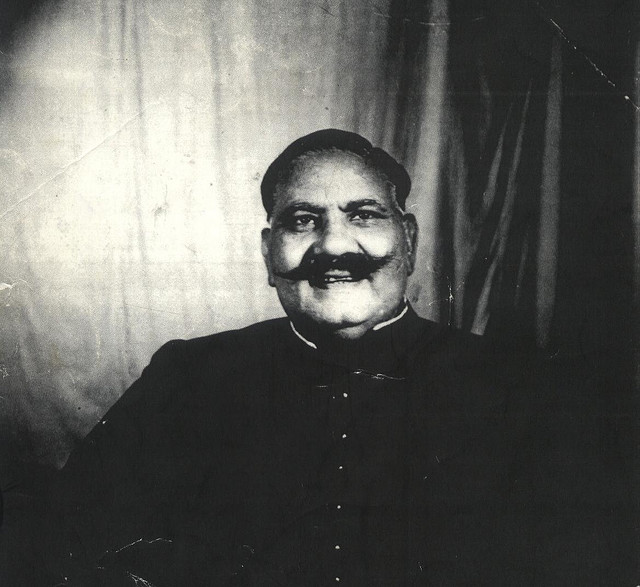
Vocal
Ustad Bade Ghulam Ali Khan
A titan of khayal gayaki and supreme master of the Patiala gharana, renowned for his massive four-octave voice, powerful taans, daring melodic leaps, and deeply emotive renditions that combined classical rigor with an almost operatic grandeur.
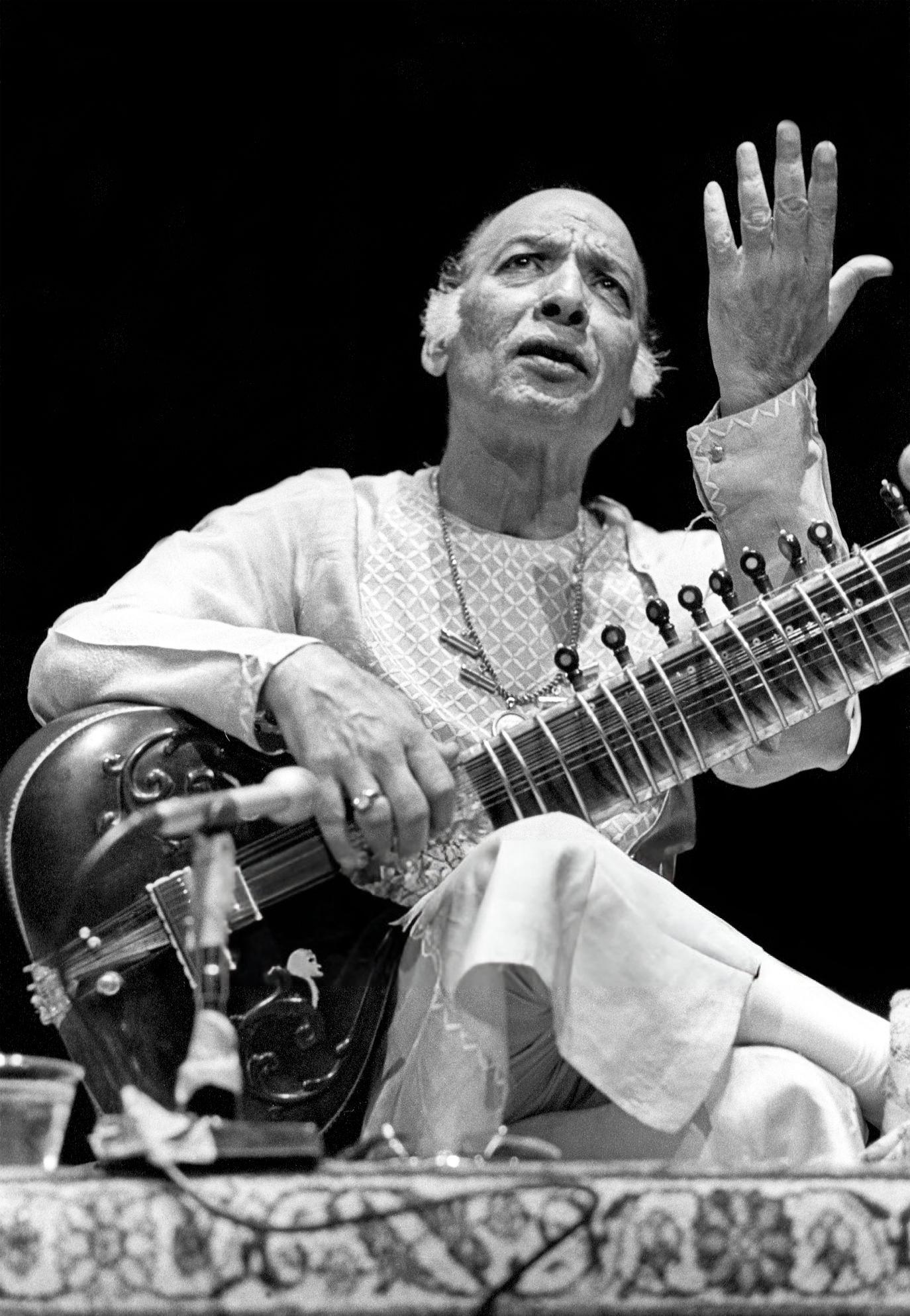
Sitar
Ustad Vilayat Khan
A revolutionary sitarist of the Etawah (Imdadkhani) gharana who created the gayaki ang on sitar, fundamentally transforming how the instrument could express melody with vocal-like phrasing, sustained notes, and emotional nuance.
75
Raags
16
Taals
10
Thaats
8
Moods