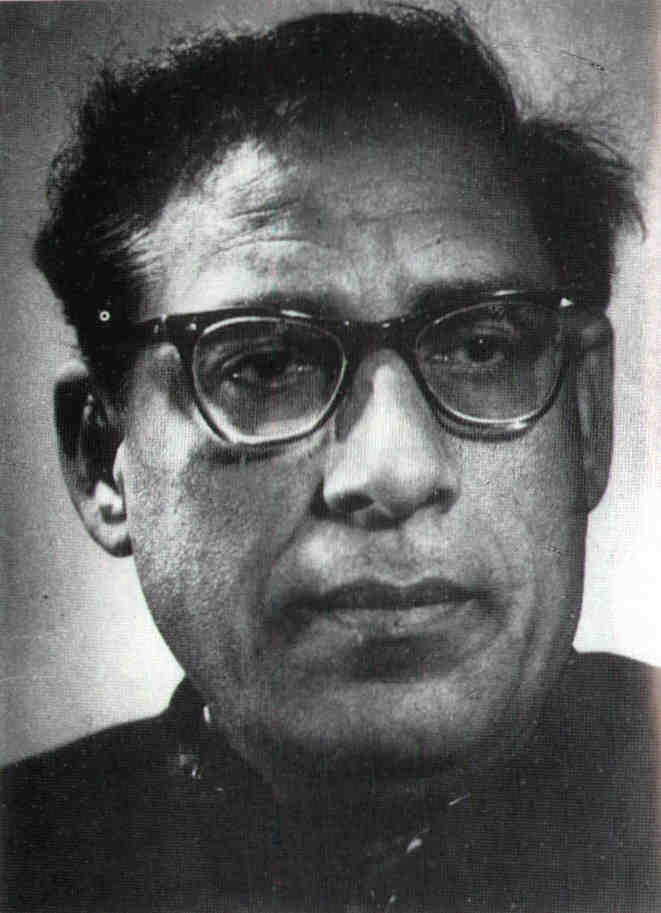
Why they matter
Ustad Amir Khan was one of the most profoundly influential vocalists in the history of Hindustani music, the architect of a revolutionary approach to vilambit khayal that prioritized meditative depth, merukhand-based permutational note patterns, and an almost austere restraint. Born in Indore into a musical family with connections to the Bhendibazaar gharana, he absorbed multiple influences before synthesizing them into something entirely new. His slow, deliberate unfolding of raags created an aesthetic of contemplative gravity that influenced virtually every serious khayal vocalist who followed him. He acted in and provided music for the landmark film 'Baiju Bawra' (1952), bringing classical music to millions through cinema. His tragic death in a car accident in 1974 cut short a career still at its creative peak. He was awarded the Padma Bhushan and the Sangeet Natak Akademi Award.
This biographical summary is based on commonly available sources and is presented with respect. Details may vary across references.